
Functional Prototype: BOM, Assembly, Testing, and Iteration
A functional prototype is a preliminary version of a product used to validate design concepts, identify potential issues, and gather feedback before mass production. This process involves several critical steps, including the creation of the Bill of Materials (BOM), the prototype assembly, conducting comprehensive testing, and iteration based on test results.
Creating a functional prototype is essential for the development of electronic products, as it allows engineers and designers to assess the feasibility of their designs, optimize performance, and ensure the final product meets the required specifications. Through this process, issues can be identified and resolved before the product reaches the market, saving significant time and resources.
Bill of Materials (BOM)
Importance of the BOM
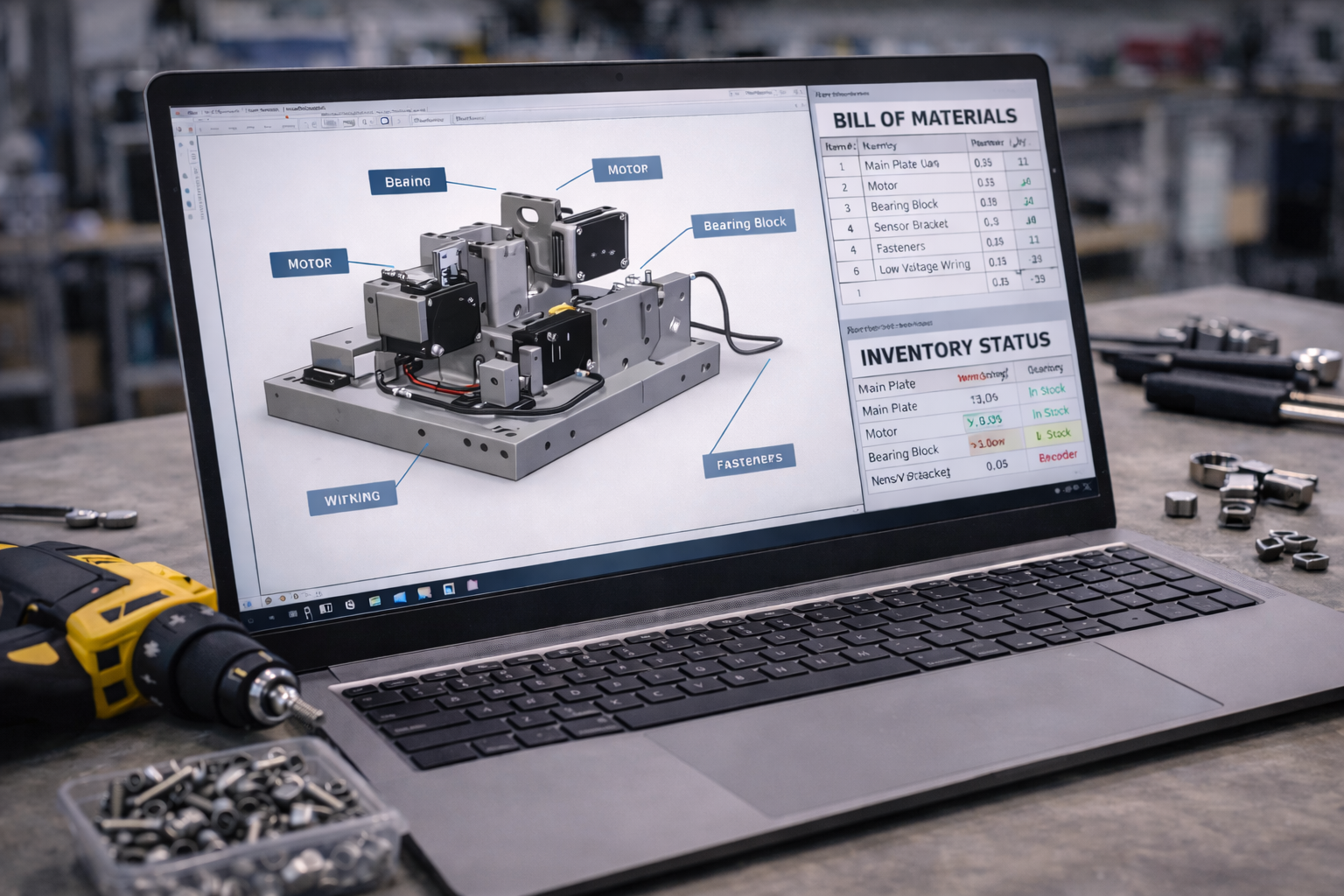
The Bill of Materials (BOM) is a detailed document that lists all the components needed to build a prototype. It includes not only the materials and electronic components but also the detailed specifications of each, such as part number, manufacturer, and quantity required.
A well-structured BOM is crucial to ensure that all components are available for assembly and that there are no disruptions in the development process. Additionally, it allows design and procurement teams to coordinate efficiently, ensuring that components are acquired at the best possible cost.
Developing the BOM
Developing the BOM begins with the circuit design and product schematic. Engineers must carefully select each component, considering factors such as availability, cost, and compatibility with the overall design.
Once selected, components are listed in the BOM, along with their technical specifications. It is essential to review and update the BOM regularly to reflect any changes in design or component availability.
Managing the BOM
Managing the BOM involves maintaining the accuracy and updating the list throughout the project's lifecycle. This includes adding new components, removing obsolete ones, and updating specifications as needed.
Using BOM management software can facilitate this process, allowing teams to collaborate in real-time and ensuring that all stakeholders have access to the latest version of the list.
Prototype Assembly
Preparation for Assembly
Prototype assembly is the process of assembling all the components listed in the BOM to create a functional version of the product. Before beginning assembly, it is essential to conduct a thorough BOM check to ensure that all components are available and correct.
Preparation also includes setting up the workspace and ensuring the availability of necessary tools for assembly. This may include soldering irons, ESD workstations, and testing equipment.
Assembly Process
The assembly process should follow a carefully planned sequence to avoid errors and ensure the integrity of the prototype. It begins with placing components on the printed circuit board (PCB) and continues with soldering and assembling sub-modules.
It is crucial to follow best assembly practices, such as proper solder application and static management, to prevent damage to sensitive components.
Quality in Assembly
The quality of assembly is critical to the prototype's performance. Quality controls should be implemented at each stage of the process to identify and correct errors immediately.
Quality control procedures may include visual inspection, the use of automated test equipment, and initial function testing to ensure the prototype operates as expected.
Comprehensive Testing
Types of Testing
Once assembled, the prototype must undergo comprehensive testing to validate its design and functionality. These tests may include electrical, performance, and compatibility testing, each designed to assess different aspects of the prototype.
Electrical tests verify the integrity of connections and circuit functionality, while performance tests evaluate how the prototype handles different operating conditions. Compatibility tests ensure that the prototype works with other systems and components.
Testing Procedures
Testing procedures should be well-documented and follow a standardized protocol to ensure consistency and accuracy of results. This includes preparing test equipment, conducting tests under controlled conditions, and collecting data for analysis.
Detailed documentation of testing procedures and results is essential to identify areas for improvement and for future reference during product development.
Interpreting Results
Interpreting test results is a critical part of the prototype development process. Engineers must analyze the collected data to identify issues, evaluate the prototype's performance, and determine if it meets design specifications.
Test results may reveal unexpected issues that require adjustments in design or component selection, leading to the next phase of iteration.
Iteration and Improvement
Identifying Issues
Iteration is the process of making changes and improvements to the prototype based on test results. Identifying issues is the first step in this process, which may include design errors, component failures, or performance issues.
Once identified, problems should be prioritized based on their impact on the prototype's functionality and project viability.
Implementing Improvements
Improvements should be systematically implemented, starting with the most critical to ensure the prototype meets design objectives. This may include changes in circuit design, selecting new components, or adjusting assembly processes.
It is important to document all changes made during iteration to maintain a clear record of prototype development and facilitate future reviews.
Continuous Evaluation
Continuous evaluation is key to the success of the iteration process. After implementing improvements, the prototype should undergo additional testing to verify that changes have resolved identified issues without introducing new ones.
This cycle of testing and iteration may be repeated several times until the prototype reaches the desired level of functionality and performance.
Conclusion and Next Steps
Developing a functional prototype is an iterative process requiring careful planning, meticulous execution, and rigorous evaluation. By completing each stage, from creating the Bill of Materials (BOM) to comprehensive testing and iteration, development teams can ensure that the final product meets expected quality and performance standards.
For more information on how REIDITE Electronics can assist in the development of electronic prototypes, visit our electronic design and prototyping services for industrial companies or request a quote for custom hardware development.